
Científicos británicos proponen que el virus del herpes simple 1 puede causar Alzheimer
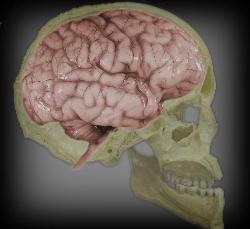
British scientists had already identified a link between the cold sore virus - known as herples simplex virus 1 (HSV1) - and Alzheimer’s, the most common form of dementia, affecting more than 400,000 people in Britain.
Previous trials had found the virus was often present in the DNA of patients with Alzheimer’s, but different theories have been posed about why this might be so. The new research, published in the Journal of Pathology, adds weight to the theory that HSV1 could be a major cause of Alzheimer’s; it found that the virus was most often found within the protein plaques in the brain which are believed to be the disease’s main cause.
cientists from the University of Manchester said their early findings suggested the cold sore virus was present in 60 per cent of cases of Alzheimer’s.
Although they were not able to prove that the virus had caused the disease, their study concluded that alternative explanations appeared unlikely.
Lead researcher Professor Ruth Itzhaki said the findings suggested drugs already used to tackle cold sores, could form the basis of treatment or preventative vaccines for Alzheimer’s in future.
Drugs to treat cold sores, including Zovirax have been on the market for many years, and most are available over the counter.
Professor Ruth Itzhaki, who led the research, said: "One thing that is exciting about our research is that we already have drugs that have been used for a relatively long time against HSV1, which are cheap and well tolerated."
"If we are right, there is a good chance we could make progress quite quickly," she added.
The HSV1 virus affects about 80 per cent of adults, causing cold sores in 20-40 per cent those who have it. The findings do not indicate that most cold sore sufferers would develop Alzheimer’s, the most common form of dementia, which affects one in three people by the time they die. If the link is proven, it would be one of several factors, some of which are genetic, which combine to cause the disease.
The next step for the scientists would be to test the theory in animal models. Prof Itzhaki said she believes the link could be proved within a year, if the group can obtain funding for this next stage of research, before testing antiviral drugs on patients in the early stages of the disease in clinical trials.
0 comentarios